Group health insurance plans offer medical coverage to members of an organization or employees of a company. They may also provide supplemental health plans—such as dental, vision, and pharmacy—separately or as a bundle. Risk is spread across the insured population, which allows the insurer to charge low premiums.

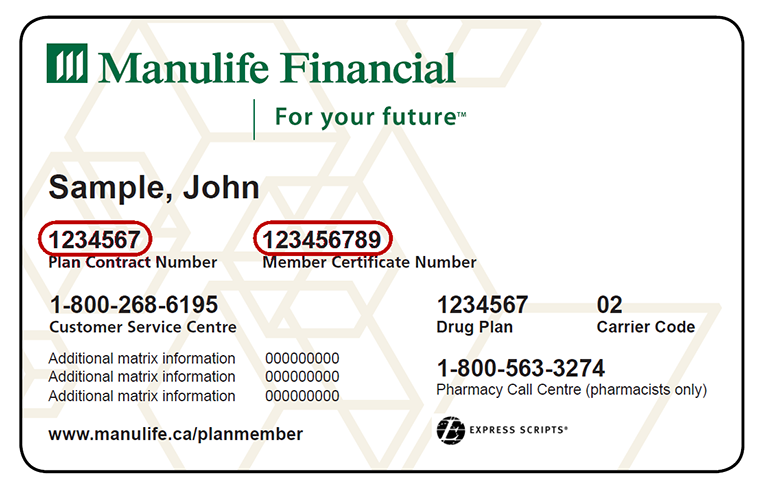
And members enjoy low-cost insurance, which protects them from unexpected costs arising from medical events. Each person covered by a health insurance plan has a unique ID number that allows healthcare providers and their staff to verify coverage and arrange payment for services. It's also the number health insurers use to look up specific members and answer questions about claims and benefits.
If you're the policyholder, the last two digits in your number might be 00, while others on the policy might have numbers ending in 01, 02, etc. For this reason, Summit Health recommends that you learn the specifics of your plan before upcoming health care visits. Health care providers in your network receive full payment from your insurance company for the agreed-upon rate for your health care services.

The rate your providers receive includes your insurer's share of the cost as well as your share of the cost. Most patients pay their share of health care costs in a copayment, deductible, or coinsurance. Group insurance plans cover groups of two or more people — which may include an employer, two or more employees, and their families. Individual insurance is a health plan that covers a single employee, with an option to add coverage for that employee's eligible family members.
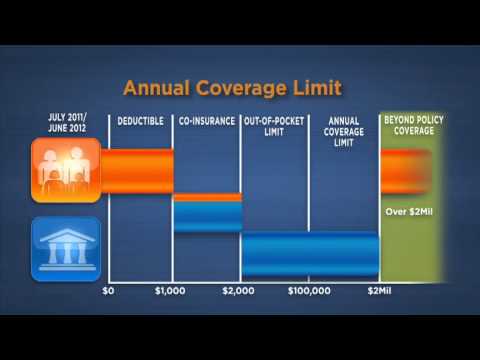
Group health insurance plans are purchased by companies and organizations and then offered to their members or employees. Plans can only be purchased by groups, which means individuals cannot purchase coverage through these plans. Plans usually require at least 70% participation in the plan to be valid. Because of the many differences—insurers, plan types, costs, and terms and conditions—between plans, no two are ever the same.

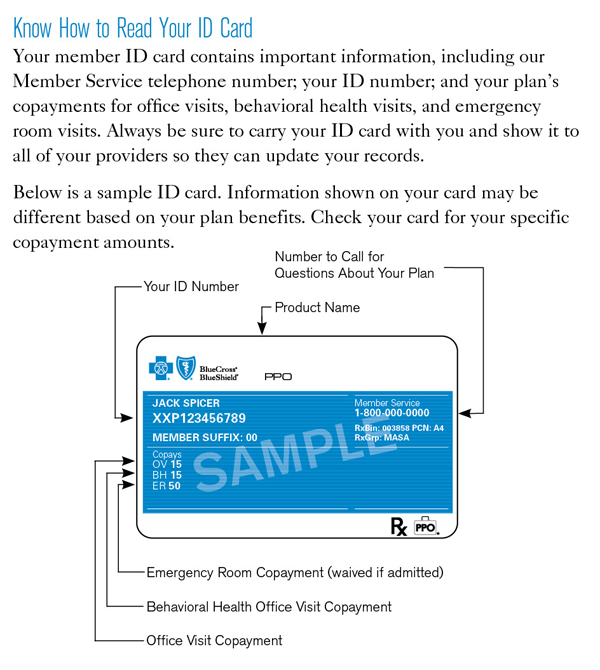
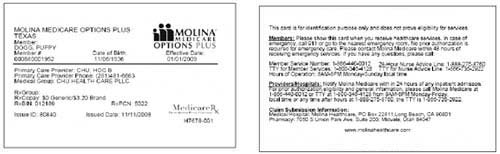
This is usually the amount of your co-payment, or "co-pay." A co-pay is a set amount you pay for a certain type of care or medicine. Some health insurance plans do not have co-pays, but many do. If you see several dollar amounts, they might be for different types of care, such as office visits, specialty care, urgent care, and emergency room care.

If you see 2 different amounts, you might have different co-pays for doctors in your insurance company's network and outside the network. Group health insurance plans are one of the most affordable types of health insurance plans available. Because risk is spread among insured persons, premiums are considerably lower than traditional individual health insurance plans.

This is possible because the insurer assumes less risk as more people participate in the plan. For employees who ordinarily would not be able to afford individual health insurance, it is an attractive benefit. Government-sponsored health plans continue to provide care to those left out of employer-sponsored group health insurance plans. If you do not see your coverage amounts and co-pays on your health insurance card, call your insurance company .

Ask what your coverage amounts and co-pays are, and find out if you have different amounts and co-pays for different doctors and other health care providers. Many health insurance cards show the amount you will pay (your out-of-pocket costs) for common visits to your primary care physician , specialists, urgent care, and the emergency department. If you see two numbers, the first is your cost when you see an in-network provider, and the second—usually higher—is your cost when you see an out-of-network provider. For example, when you're referred to a specific specialist or sent to a specific hospital, they may not be in your insurer's network. Although all group health insurance plans are different due to variations in costs, health insurance companies, group plan types, and plan specifications, they do have similarities.

Some health insurance plans include special savings accounts for health-related expenses. The key to getting the most out of your savings account is knowing which type you have and how to use it. Check the information your employer gave you to see whether you have a health savings account , health reimbursement account or flexible spending account . Then, use the links below to learn more and find important forms and resources. Your health insurance policy number is typically your member ID number. This number is usually located on your health insurance card so it is easily accessible and your health care provider can use it to verify your coverage and eligibility.

In some cases, your health insurance company can give you a list of comparable, in-network health care providers and services. When you get out-of-network health care and services, you are likely to be responsible for paying some, much, or all of the cost of the service. The amount you must pay for out-of-network services depends on whether your health insurance company is willing to pay part of the bill. For this reason and to avoid unwanted billing surprises, it is best to check with your health insurance company before you get any out-of-network health care services. Employers should make sure your group health plan includes either a group health insurance plan, self-insured health plan, or reimbursement plan so your employees have access to full health benefits. For employees who ordinarily would not be able to afford individual health insurance, a group health plan is an attractive benefit.

Group health insurance is also known as employer-sponsored health insurance. Group insurance health plans provide coverage to a group of members, usually a company or organization's employees. Employees usually receive insurance at a reduced cost because the insurer's risk is spread across a large group of policyholders. The vast majority of group health insurance plans are employer-sponsored benefit plans. It is possible, however, to purchase group coverage through an association or other organizations. Examples of such plans include those offered by the American Association of Retired Persons , the Freelancers Union, and wholesale membership clubs.

Employer-sponsored group health insurance plans first emerged in the 1940s as a way for employers to attract employees when wartime legislation mandated flattened wages. This was a popular tax-free benefit which employers continued to offer after the war's end, but it failed to address the needs of retirees and other non-working adults. Federal efforts to provide coverage to those groups led to the Social Security Amendments of 1965, which laid the foundation for Medicare and Medicaid. A member ID number and group number allow healthcare providers to verify your coverage and file insurance claims for health care services.

What Is My Health Insurance Group Number It also helps UnitedHealthcare advocates answer questions about benefits and claims. Your insurance plan may require multiple copays, higher deductibles, and coinsurance. You can learn the details of your policy by visiting your insurance company's web site or contacting its customer/member services department.

The back of your insurance card should include the phone numbers and Web site addresses you'll need. At first glance, the terms "group health plan" and "group health insurance" seem the same. Group health insurance plans through Paychex Insurance Agency can be bundled with payroll and other services so you can manage benefits and HR more accurately in just a few steps.

If you have family members listed as dependents on your health insurance plan, they may each have their own unique policy number as it is used for identification purposes and billing procedures. Your health insurance policy number is what identifies you as a covered individual under your current or previous plans. It's important because if you change jobs or get married, divorced, etc., then your HIPN will need to match the new situation. If you move out of state, your HIPN needs to reflect where you live now. Your member ID number and group number allow healthcare providers to verify your coverage and file claims for health care services.

These numbers also help UnitedHealthcare advocates answer questions about your benefits and claims. If you forget or aren't sure what type of health insurance plan you have , you can find out on your BCBS ID card. If you have an HMO, your card may also list the physician or group you've selected for primary care. Determining whether a provider is in-network is an important part of choosing a primary care physician.
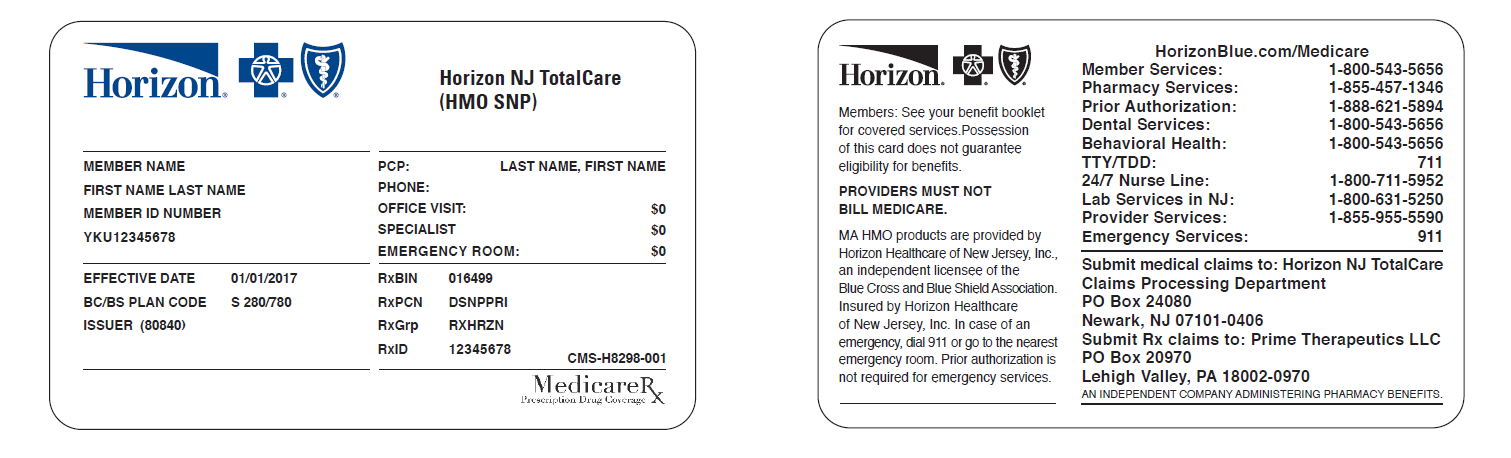
If you have health insurance through work, your insurance card probably has a group plan number. The insurance company uses this number to identify your employer's health insurance policy. Your insurance company may provide out-of-area coverage through a different health care provider network.

If so, the name of that network will likely be on your insurance card. This is the network you'll want to seek out if you need access to healthcare while you're away on vacation, or out of town on a business trip. In this article, we'll dive deeper into what group health plans and group health insurance plans are and how they differ. With an individual health insurance policy, a covered individual pays for 100% of their own premiums. On the other hand, employers and employees can share the costs of group health insurance, with employers covering some or all of the premium costs for a single employee and their dependents. The risk is also spread across a greater number of people for group health insurance policies.

After you enroll in a private health plan and pay your first month's premium, you will receive a membership package with your insurance card and summary of benefits and coverage detailed information. Group health plans are employer- or group-sponsored plans that provide healthcare to members and their families. The most common type of group health plan is group health insurance, which is health insurance extended to members, such as employees of a company or members of an organization. If you lose your health insurance card with your policy and group number on it, it is important to contact your health insurance company right away and let them know. Call your insurance provider's customer service number and a representative should be able to help you. When you get a health insurance policy, that policy has a number.
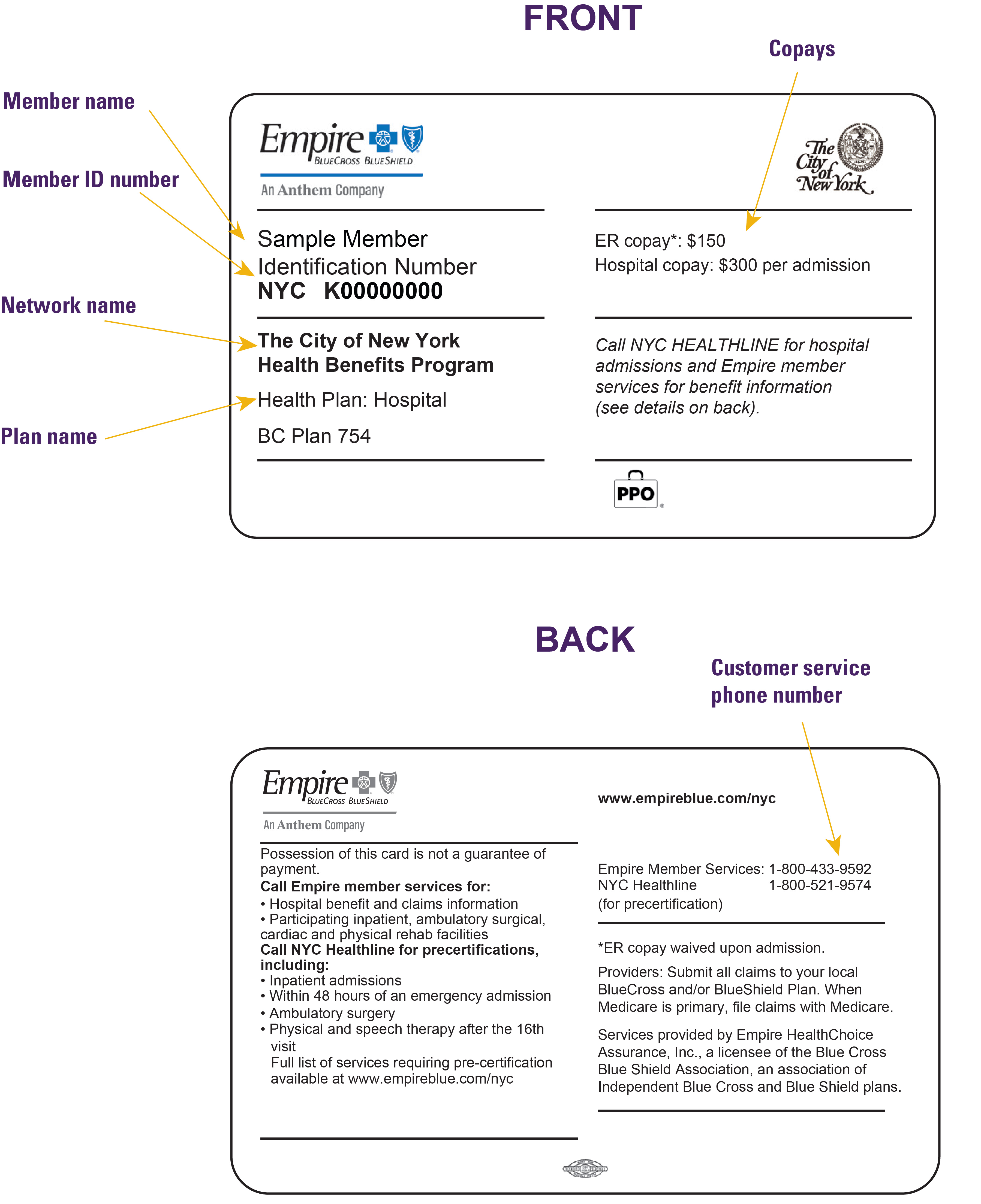
On your card, it is often marked "Policy ID" or "Policy #." The insurance company uses this number to keep track of your medical bills. Your health insurance company works with providers to agree upon a rate for a variety of health care costs. Once providers have agreements with your health insurance company, they are considered in network. Depending on how many employees there are, benefits covered by group and individual plans may be different. All health plans for individuals and businesses with fewer than 50 full-time equivalent employees cover the same 10 essential health benefits.

But if your employer has 51 or more full-time equivalent employees, they have more say in what your plan does and doesn't cover. Typical group health plans include health maintenance organization plans and preferred provider organization plans. While HMO plans have the advantage of lower premiums due to fewer providers within a specific network, they provide less flexibility in terms of how members can receive medical care. For non-emergencies, some HMO plans allow you to get health care services from a Blue Cross and Blue Shield-affiliated doctor or hospital when you are traveling outside of Illinois. If you aren't sure, contact customer service at the number listed on your member ID card before you go. And always remember to carry your current BCBSIL member ID card.

It contains helpful information for accessing health care at home or away. Group Insurance health plans provide coverage to a group of members, usually comprised of company employees or members of an organization. Group health members usually receive insurance at a reduced cost because the insurer's risk is spread across a group of policyholders. The share of costs covered by your insurance that you pay out of your own pocket. Your health insurance policy allows you to enjoy medical services offered by providers included in Harel's agreement, at no cost.

Create a HealthPartners account to get the most from your health insurance plan. You only need to know your member ID number and your birth date. Once you create an account, you can view your benefits, track your medical spending, compare the cost of medical procedures and find ways to lower the cost of care. The back of your member ID card includes contact information for providers and pharmacists to submit claims. It also includes the member website and health plan phone number, where you can check benefits, view claims, find a doctor, ask questions and more. The most common type of group health plan is group health insurance, which is a type of medical insurance policy for employees or members of a company or organization.

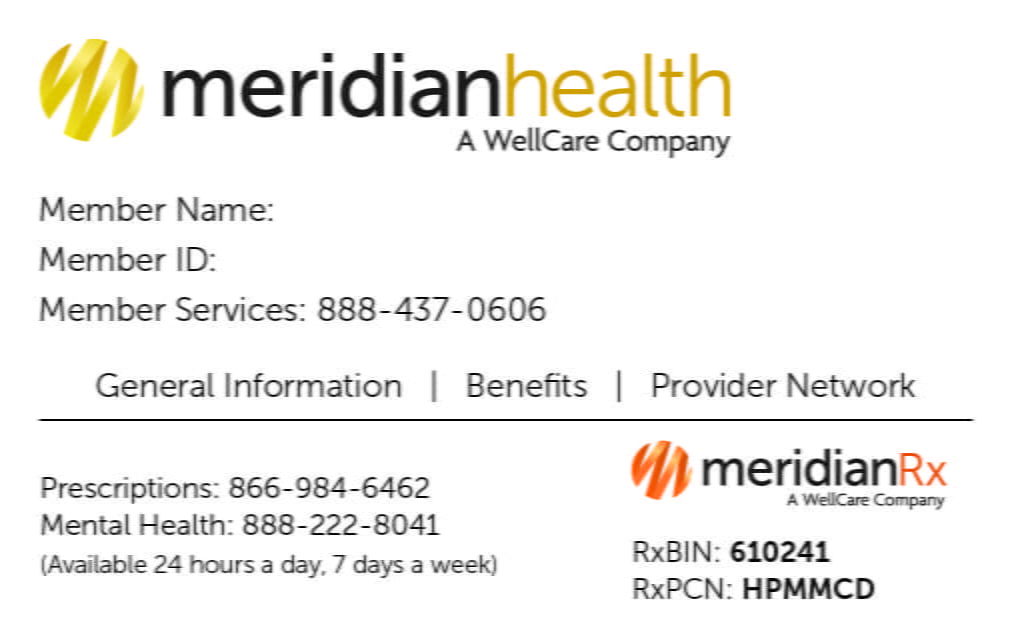
Your health insurance company might pay for some or all the cost of prescription medicines. If so, you might see an Rx symbol on your health insurance card. But not all cards have this symbol, even if your health insurance pays for prescriptions. Sometimes, the Rx symbol has dollar or percent amounts next to it, showing what you or your insurance company will pay for prescriptions.

You might see another list with 2 different percent amounts. The back or bottom of your health insurance card usually has contact information for the insurance company, such as a phone number, address, and website. This information is important when you need to check your benefits or get other information. For example, you might need to call to check your benefits for a certain treatment, send a letter to your insurance company, or find information on the website. Different insurance plans sometimes cover different pharmacy networks.
For example, CDPHP employer plans use a Premier network; CDPHP individual plans use a Value network; and CDPHP plans for seniors use the Medicare network. A doctor or practitioner, specialist, hospital, pharmacy, or other health care provider or service that has no agreement with your insurance company is considered out of network. Most private-sector group health plans are covered by the Employee Retirement Income Security Act . Among other things, ERISA provides protections for participants and beneficiaries in employee benefit plans, known as participant rights, including providing access to plan information. Also, those individuals who manage the plans and other fiduciaries must meet certain standards of conduct under the responsibilities specified under the law.

A group health plan is an umbrella term, encompassing a number of different kinds of employer-provided benefit plans that provide healthcare to members and their families. The plan is established or maintained by an organization that offers medical care to the participants directly through insurance, reimbursement, or otherwise. A group health insurance plan covers specific medical expenses for you and your participating employees. Group dental, vision plans, and other voluntary insurance are offered separately. A group health insurance policy makes sense now more than ever. In most cases, you can only sign up for a health insurance plan during the open enrollment period.
If you missed open enrollment, you may be able to enroll during the special enrollment period. To be eligible, you must have had a qualifying "life event" within the past 60 days or experienced other complications that did not allow you to complete your enrollment. Your first premium payment activates your coverage, so you can start using your health plan within 1–2 days of making your payment, depending on how you pay. After you've made your first payment and your coverage is activated, you can have health care expenses during that coverage gap applied to your deductible, or even get paid back for some services. In this case, the coverage gap would be the time between your requested effective date and the date you make your first payment. The average group health insurance policy costs a little more than $7,400 for an individual annually, with employers paying approximately 80% and employees paying the difference.

When you go to an appointment with your health care provider, they will ask you for your insurance information. The "coverage amount" tells you how much of your treatment costs the insurance company will pay. This information might be on the front of your insurance card. It is usually listed by percent, such as 10 percent, 25 percent, or 50 percent. For example, if you see 4 different percent amounts, they could be for office visits, specialty care, urgent care, and emergency room care.


No comments:
Post a Comment
Note: Only a member of this blog may post a comment.